What Is STEM Education?
STEM stands for Science, Technology, Engineering, and Mathematics. It is an educational approach that encourages children to learn by exploring, creating, experimenting, and solving real-world problems.
Rather than learning subjects separately, STEM connects them in meaningful ways. A mathematics problem can become the foundation for an engineering project, while technology and programming can turn an idea into a working robotic solution.
STEM and Robotics
Robotics is one of the most exciting ways for children to experience STEM. By designing and programming robots, students can apply concepts from mathematics, science, engineering, and technology in a practical environment.
They also learn valuable skills such as logical thinking, teamwork, creativity, and persistence. Making mistakes and improving a design becomes an important part of the learning process.
Inspiring Future STEM Leaders
The goal of STEM education is not only to teach technical knowledge. It is also to help children become curious thinkers and confident problem solvers.
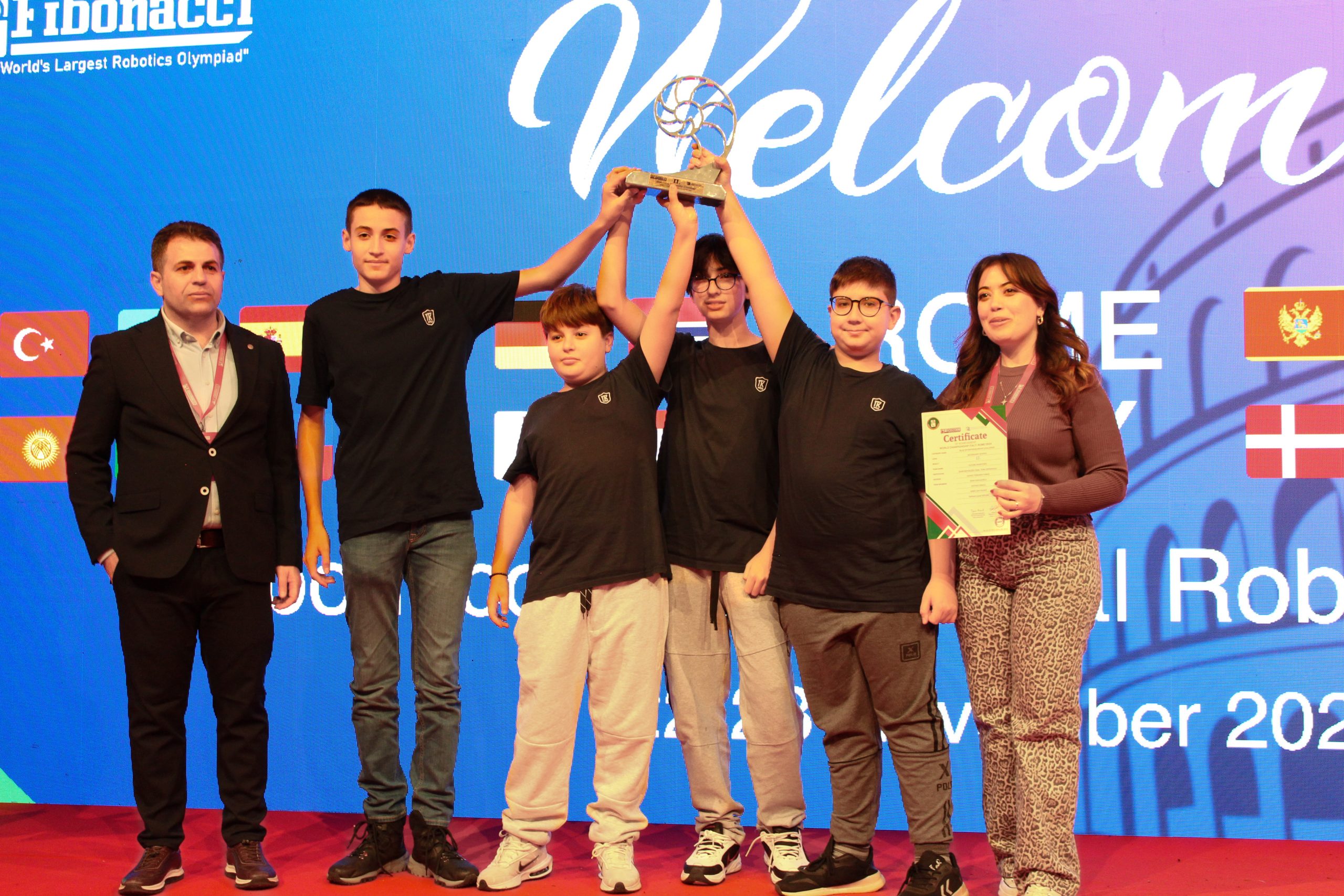
Through robotics activities, competitions, and international events such as the Fibonacci International Robot Olympiad, young learners can explore technology, connect with other students, and discover new interests.
By making STEM accessible and engaging from an early age, we can help inspire the next generation of scientists, engineers