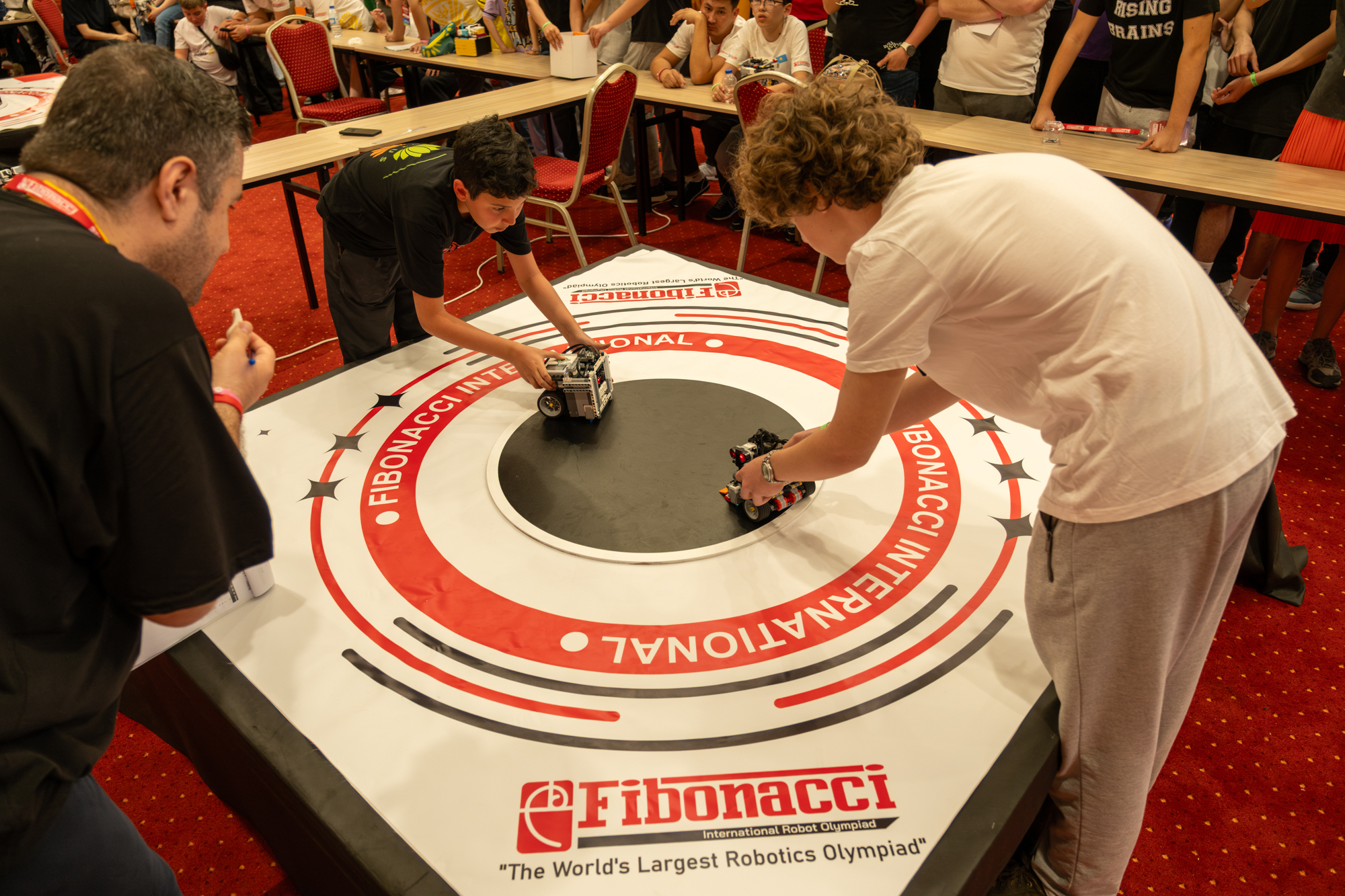
The future of technology begins with curiosity. When children are given the opportunity to build, experiment, make mistakes, and try again, they begin to see science and engineering not simply as school subjects, but as tools for understanding and changing the world.
Robotics provides an especially engaging environment for this kind of learning. A robot can start as a collection of motors, sensors, wires, and code, but through a child's imagination, it becomes a solution to a problem. This process encourages young learners to ask questions, test ideas, and develop solutions through hands-on experience.
Why STEM Education Matters
STEM education plays an important role in preparing children for a rapidly changing world. As technology continues to influence almost every industry, skills such as computational thinking, creativity, collaboration, and problem-solving are becoming increasingly valuable.
Robotics competitions add another dimension to this experience. Children are not only learning how technology works; they are learning how to work with others, manage challenges, communicate ideas, and perform under real-world conditions.
Learning Through Robotics
The Fibonacci International Robot Olympiad is built around this philosophy. Held annually in Rome since 2018, the event brings together young robotics enthusiasts, families, educators, engineers, and technology professionals from around the world.
The Olympiad creates an environment where education and competition come together. Participants can showcase their projects, learn from others, discover new technologies, and experience the excitement of being part of an international STEM community.
Inspiring the Innovators of Tomorrow
Most importantly, robotics can help children discover possibilities they may not have considered before. A child who begins by programming a small robot may eventually become interested in engineering, computer science, artificial intelligence, automation, or another technology-related field.
By creating opportunities for children to explore STEM from an early age, we can help build a generation that does not simply consume technology, but understands it, improves it, and creates the technologies of tomorrow.